Explore Suisub’s project management case studies across operations, automation, customer journeys and digital transformation.
See how Suisub helps businesses improve operations, build better systems, structure customer journeys and deliver complex digital transformation projects.
Each project starts with a business problem, not a predefined tool or solution.
01
OPERATIONS & AUTOMATION
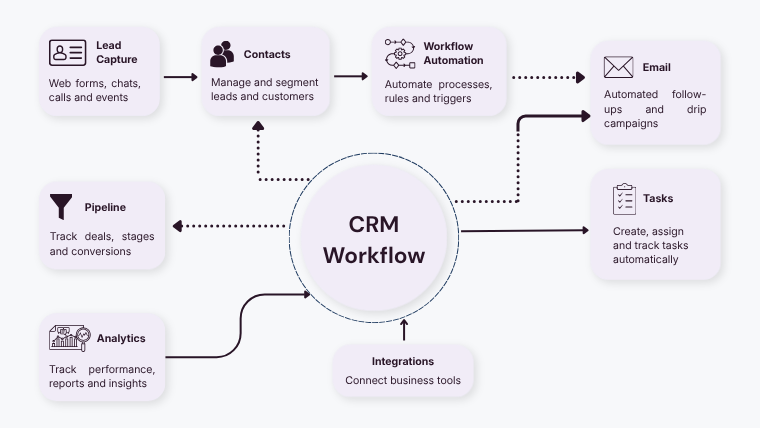
Operational Systems & CRM Transformation
From fragmented workflows to a clearer, more connected operating system.
THE CHALLENGE
– Disconnected workflows across teams and tools.
– Unclear processes and data scattered everywhere.
– Time wasted on manual tasks and follow-ups.
– Difficult to track opportunities and progress.
WHAT SUISUB CHANGED
– Mapped the key operational workflows.
– Defined the target operating model and processes.
– Structured CRM setup and data organization.
– Coordinated business, operations and tech teams.
BEFORE → AFTER
Fragmented workflows
→
Clear workflows
Manual coordination
→
Structured processes
Scattered information
→
Better visibility
THE OUTCOME
A clearer operational structure, better-defined workflows and a more structured path toward implementation.
02
CUSTOMER JOURNEY & CONVERSION
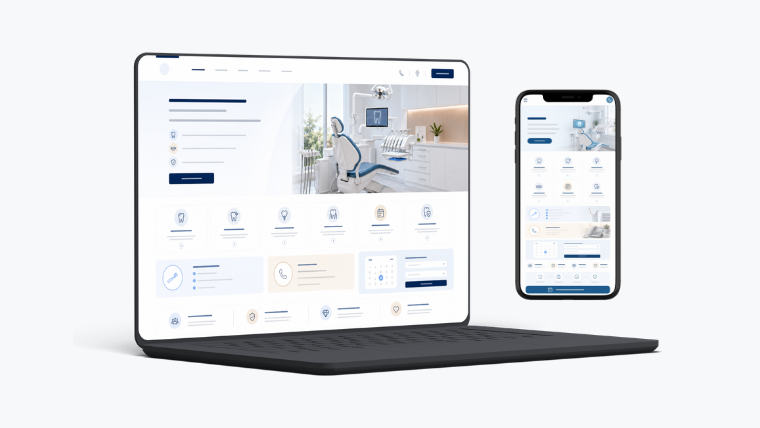
Digital Customer Journey & Website Transformation
From a fragmented digital experience to a clearer path from first visit to contact.
THE CHALLENGE
– Website structure didn’t support the user journey.
– Key information was hard to find.
– Low contact rate from organic traffic.
– No clear conversion path.
WHAT SUISUB CHANGED
– Restructured the website architecture.
– Clarified messaging and key content.
– Improved UX and conversion touchpoints.
– Coordinated development, testing and launch.
BEFORE → AFTER
Confusing journey
→
Clearer user path
Low engagement
→
Better user experience
Few inquiries
→
Better qualified contacts
THE OUTCOME
A clearer digital journey that makes it easier for visitors to understand the offer, take the next step and move toward becoming a client.
03
DIGITAL TRANSFORMATION DELIVERY
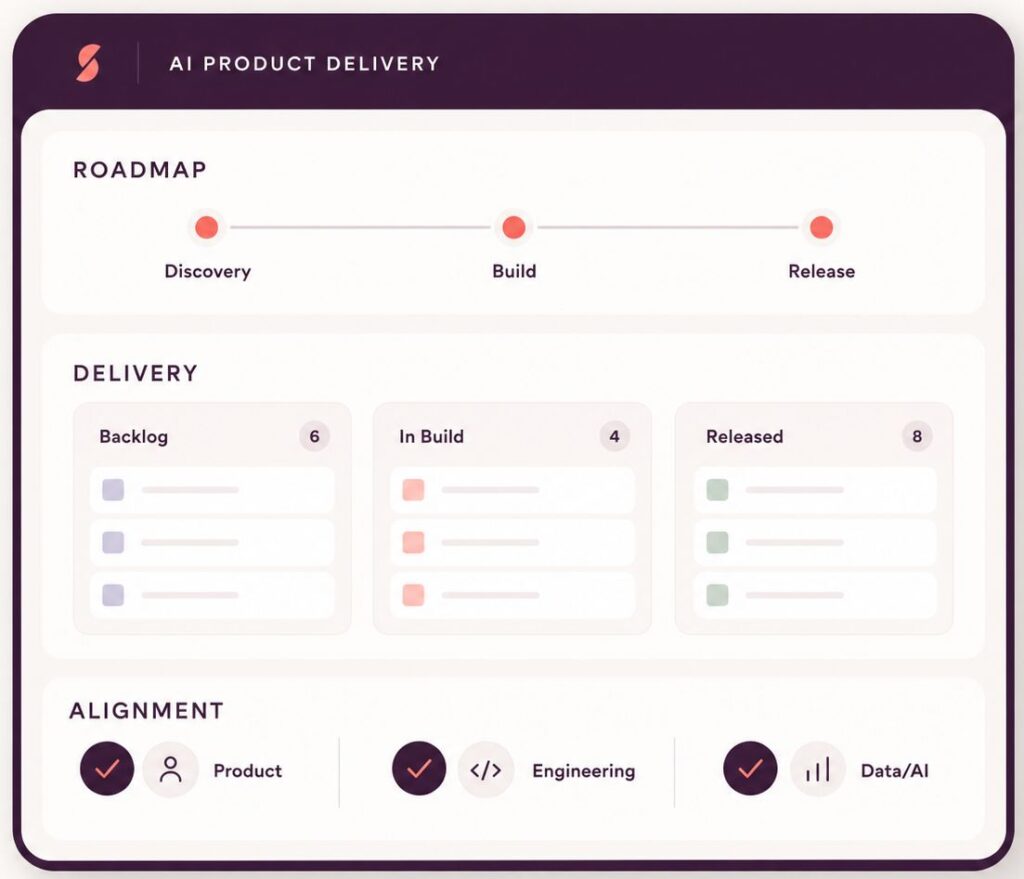
AI Product Delivery & Launch
From roadmap to first release with alignment across product, engineering and data.
THE CHALLENGE
– Multiple priorities and changing requirements
– Complex dependencies across teams
– Limited visibility on progress and blockers
– Roadmap not clearly defined
WHAT SUISUB CHANGED
– Defined product vision and roadmap
– Structured backlog and prioritization
– Set up delivery rituals and tracking
– Aligned product, engineering and data teams
BEFORE → AFTER
Unclear roadmap
→
Prioritized plan
Siloed teams
→
Aligned teams
Delays & blockers
→
Smoother delivery
THE OUTCOME
A structured delivery system and a first version delivered successfully.
04
DIGITAL PROJECT & TRANSFORMATION DELIVERY
Multi-Workstream Digital Launch
From multiple moving parts to a synchronized launch delivered on time.
THE CHALLENGE
– Several workstreams and external partners.
– Dependencies not always visible.
– Risk of misalignment and delays.
– Tight deadline for launch.
WHAT SUISUB CHANGED
– Built the overall launch structure.
– Defined owners, timelines and dependencies.
– Coordinated teams and external partners.
– Tracked progress and mitigated risks.
BEFORE → AFTER
Disconnected work
→
Coordinated workstreams
High risk of delays
→
Better control & visibility
Last-minute issues
→
On-time, smoother launch
THE OUTCOME
A smoother launch with stronger alignment and fewer execution gaps.
Facing a similar challenge?
Let’s discuss how Suisub can help you turn complexity into results.